
Quick note before you start: This guide is for wool, felt, cashmere, and knit hats — the kind made from natural soft fibers. The methods below (steam, warm water, hat stretchers) work because wool fibers relax and reshape with moisture and heat.
Looking for something else?
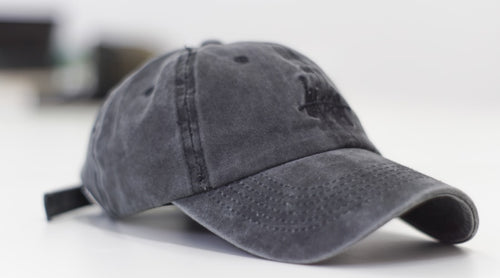
- Fitted baseball caps / New Era caps — these have stiff brims and structured crowns that don't respond to wool techniques. They need a different method (cap stretchers or steam-and-wear). This guide won't help with those.
- Straw or panama hats — straw is brittle and can crack under the methods below. See our hat materials guide for straw-specific care.
- Leather hats — leather stretches differently and needs leather conditioner, not water.
I design wool hats for a living — measuring heads, blocking crowns, sourcing felt from mills in Australia and Europe. When someone sends me a message saying their hat shrunk in the wash, or that it arrived slightly too small, I know exactly what they're looking at and what they should do about it. In most cases, a wool hat that's too tight is completely fixable at home. The fiber science works in your favour.
This guide covers every method I know — steam, warm water, and hat stretcher tools — along with the honest truth about which situations can't be rescued. Whether you're dealing with a wool beret, a felt cloche, or a cashmere beanie, the principles are the same. Read the comparison table first, then jump to the section that matches your situation.
1–2 sizes Maximum realistic stretch using safe home methods
100°F Maximum safe water temperature before permanent damage risk
The type of wool matters too. Merino — a fine-diameter fiber used in quality felt hats — relaxes and reshapes more easily than coarser wools. Cashmere beanies and knitted wool hats are more forgiving than dense pressed felt because the structure has more open space to work with. And if your hat has been treated with superwash processing (common in machine-washable knitwear), its felting ability has been reduced — it shrinks less easily, but it also stretches less easily.
Method Comparison: Steam vs. Water vs. Stretcher
| Wool Hat Stretching — Method Comparison | ||||
|---|---|---|---|---|
| Method | Best For | Size Gain | Difficulty | Risk Level |
| Steam | Felt hats, berets, cloches; minor size adjustments | ¼ to ½ size | Low | Low — if kept 6″ from steam source |
| Warm Water | Any wool hat; significant size increase needed | ½ to 1 full size | Medium | Medium — temperature control is critical |
| Hat Stretcher Tool | Precision sizing; used alongside steam or water | Up to 1 full size | Low (with right tool) | Low — gradual pressure, no heat involved |
| Wearing While Damp | Knit beanies, soft unstructured hats only | ¼ size | Low | Low — do not use on felt or structured hats |
Note from the StudioThe most common mistake I see is people applying too much steam too close to the hat — the felt gets saturated rather than relaxed, and then it dries with water marks and uneven texture. Keep at least six inches of distance. You want the fibers to breathe in warm moisture, not get drenched. Think sauna, not shower.
For our handmade felt hats specifically, I always recommend steam as the first method. It's the most controlled, and it gives you the most feedback — you can feel the wool softening under your hands as you shape it.
Method 1 — Steam Stretching (Best for Felt Hats)
Steam is the gentlest and most controllable way to stretch a wool hat. It's what hat makers and milliners use at the bench, and it's what I reach for first when someone brings me a hat that needs resizing. You don't need specialist equipment — a kettle or a clothes steamer both work.
What You Need
Equipment List- A kettle, stovetop pot, or handheld clothes steamer
- A heat-resistant glove or oven mitt
- A hat form, balloon, or similarly shaped object to dry on (optional but helpful)
- A clean towel for blotting
Step-by-Step Process
- Bring your water to a full boil to generate a strong, consistent stream of steam. A weak simmer won't produce enough heat to relax the fibers properly.
- Hold the hat 6 inches from the steam source and rotate it slowly so moisture distributes evenly. Focus on the band area where fit is tightest. Expose each area for 30–45 seconds at a time.
- Immediately begin shaping while the felt is still warm. For overall size increase, stretch the interior band outward with both thumbs. For crown height, support the inside and gently push upward. For brim width, work outward from the centre with your fingertips.
- Place on a hat form or substitute (a melon, a balloon inflated to your head size) and let it cool and dry completely — at least 2 hours, ideally overnight. The shape is only locked in once the fibers are fully dry and cool.
- Test the fit and repeat if needed. One round of steam typically yields a quarter to half size increase. For more, repeat after the hat has fully dried.
The Sweatband Variable — Check This Before You Steam
Most guides skip the interior band entirely, and it's the most common reason a hat bounces back to its original size within a day of stretching. The felt or knit outer shell responds beautifully to steam — but if the interior sweatband can't expand to match, it acts as a brake on the whole process.
Grosgrain ribbon sweatbands — the woven fabric strip found in most wool berets and cloches — have very limited elasticity. You can typically gain no more than 1cm of circumference before the ribbon pulls tight and the stitching begins to stress. If you need more than that, the ribbon needs to be replaced or removed and resewn at a larger circumference.
Leather sweatbands, found in higher-end felt hats and some vintage pieces, must be conditioned before steaming. Apply a small amount of leather conditioner (neatsfoot oil, mink oil, or a dedicated leather conditioner) to the interior band and let it absorb for 10 minutes before you steam.
Note from the StudioWhen I resize a hat at the bench, the sweatband is always the first thing I check. On a beret, I'll loosen the grosgrain stitching at the back seam before blocking — it gives me an extra centimetre of room without replacing the band entirely. On a leather-banded felt hat, I condition the band overnight first. If you skip this step, you're stretching one layer and leaving the other unchanged. The hat will fit for a day and then slowly return to where the band allows it to sit.
For a wool cloche or a structured felt beret, steam is the preferred method because it relaxes the pressed felt without disrupting the shape of the brim or crown. Warm water risks losing that structure entirely if you're not careful.
Method 2 — Warm Water Stretching (Best for Significant Size Gain)
If you need more than a half-size increase, or if you're working with a knitted or loosely structured wool hat rather than pressed felt, warm water stretching gives you more room to work. The tradeoff is that it's less precise and requires more attention to drying.
Temperature Is Everything
The water should feel comfortably warm against your wrist — think bathwater, not dishwater. Hot or boiling water will cause further shrinkage rather than relaxation. Aim for 85–100°F (30–38°C) and use a thermometer if you have one.
- Submerge the hat completely in warm water. Let it soak for 10–20 minutes until noticeably more pliable.
- Remove and gently press out excess water — don't wring or twist. A clean towel wrapped around the hat and gently squeezed works well.
- Shape immediately while the hat is still wet. For a beanie, simply put it on your head and wear it while it dries. For a structured hat, use a hat form.
- Dry flat or on a form, away from direct heat or sunlight. Air drying at room temperature is the safest approach.
- ✓ Safe to Water-Stretch Knitted wool & cashmere beanies The open knit structure absorbs and releases moisture easily. Wearing while damp is the easiest approach for this type.
- ✕ Use Steam Instead Dense pressed felt hats (cloches, fedoras) Fully soaking a structured felt hat risks collapsing the brim and distorting the crown shape. The dense pressed construction is much harder to restore once completely saturated.
Method 3 — Hat Stretcher Tools (Best for Precision)
A hat stretcher is a split wooden or plastic device that you insert into the hat and expand by turning a central mechanism. The gradual outward pressure reshapes the crown without heat — and because the form holds its size throughout the drying process, the result is more consistent than hand-shaping.
The most effective approach is steam first, hat stretcher second: relax the fibers with steam, then immediately place the stretcher inside and expand to your target size. Leave it in until the hat is completely cool and dry.
DIY Alternatives That Actually Work
A balloon inflated to your head circumference is a legitimate substitute for the drying phase. A round melon or a stackable container of roughly the right diameter also works. The key is that the form must be rigid enough to maintain outward pressure as the felt cools — a soft stuffing won't do the job.
How to Unshrink a Wool Hat
"Unshrinking" and "stretching" are related but not identical problems. Stretching addresses a hat that was always slightly too small. Unshrinking addresses a hat that shrank — usually in the wash — and needs to return to its original dimensions. The key ingredient is hair conditioner. Standard conditioner contains cationic surfactants that coat the wool fibre scales and temporarily reduce their grip on each other, creating a brief window where the hat can be reshaped.
Step-by-Step: Unshrinking a Wool Beanie or Knit Hat
- Fill a basin with lukewarm water — 85–95°F (30–35°C). Add 2 tablespoons of standard hair conditioner and mix until dissolved. The water will turn slightly milky.
- Submerge the hat completely and leave it to soak for 20–30 minutes without agitation. Do not squeeze, rub, or wring at this stage.
- Lift the hat out gently and lay it flat on a clean dry towel. Roll the towel up around the hat and press firmly — do not twist. Check the sweatband: if it's a grosgrain ribbon, gently ease it outward by hand before proceeding.
- While still damp, stretch the hat back to its intended shape. For a beanie, put it on your head and wear it while it dries. For a structured hat, place it over a hat block or balloon inflated to your head circumference.
- Leave the hat to air dry completely at room temperature, away from direct heat or sunlight. Minimum 4–6 hours for a beanie, up to 12 hours for a structured felt hat. Do not test the fit until fully dry and cool.
Unshrinking Felt Hats vs. Knit Hats
The conditioner method works best on knitted wool and cashmere. Expect to recover one full size in a single treatment for moderate shrinkage.
Dense pressed felt hats respond better to a combination: soak the band area in the conditioner solution, then apply steam to the outer shell, and shape while both are damp simultaneously.
One treatment is usually enough for a hat that shrank by one size in a single accidental machine wash. If three rounds of the conditioner process don't restore the original size, the hat should go to a professional milliner for re-blocking.
Which Method Should You Use?
If Your Hat Is... Felt beret or cloche, slightly too tight → Steam method. 1–2 rounds of 30-second steam exposure, shape by hand, dry on a form. If Your Hat Is... Knitted cashmere or wool beanie that shrunk in the wash → Warm water soak + wear while damp. 15-minute soak in lukewarm water, then wear it until dry. If Your Hat Is... Felt hat that needs a full size increase → Steam + hat stretcher combo. Steam to relax fibers, immediately insert stretcher, leave overnight. If Your Hat Is... Newsboy cap or structured hat, brim losing shape → Steam targeted sections only. Focus steam on the specific area, reshape by hand, use clips or light weights while drying.When a Hat Is Too Far Gone
Not every wool hat can be rescued, and it's worth knowing the limits before you invest effort in a hat that can't recover.
Damage Assessment Signs the Hat May Be Beyond Home Repair These indicate structural or fiber damage that stretching won't fix ⚠️ Visible Thinning If the felt has worn through in patches or you can see light through sections of the crown, the fibers are too depleted to hold a new shape. ⚠️ Structural Distortion A brim that ripples unevenly or a crown that's collapsed on one side has lost its internal structure. Steam may improve it slightly, but won't restore symmetry. ⚠️ Machine-Felted Shrinkage Severe shrinkage from a hot machine wash locks the scales permanently. If the hat is more than 2 sizes too small, home stretching won't close that gap. ✓ When to See a Milliner A professional hatter can re-block a hat on a wooden form — the traditional millinery technique that restores original shape with precision tools.Preventing Future Shrinkage
The most reliable way to deal with wool hat shrinkage is to prevent it from happening. The care rules for wool felt are simple but unforgiving if ignored.
Wool Hat Care Checklist
- Never machine wash a wool felt hat — hand wash in cool water only, or spot clean
- Use only mild, wool-safe detergent (Woolite or similar) — standard detergent strips lanolin and weakens fibers
- Store on a hat stand or stuffed with tissue paper — never crushed in a drawer or stacked
- Keep away from radiators, direct sunlight, and clothes dryers
- Brush wool felt with a soft-bristled brush in a counter-clockwise direction after wearing to remove dust
- For knit wool beanies: lay flat to dry after washing, never hang (gravity stretches knit vertically)
If you want to avoid the sizing problem entirely, our handmade wool newsboy caps and many of our wool cloches are made to your exact head circumference — you provide the measurement and we build to fit. A hat that fits correctly from the start never needs to be stretched.
For more detail on keeping wool looking its best, read our guide: How to Clean Wool Hats Without Damaging the Felt. And if you're choosing a new hat, Newsboy Hat vs. Beret vs. Cloche — What's the Difference? breaks down the key styles and how each wears on different face shapes.